Discover the best of the Röhsska Museum. Here we’ve gathered ten favourites not to miss – from iconic design classics to hidden gems. Perfect if you want to make the most of your visit!
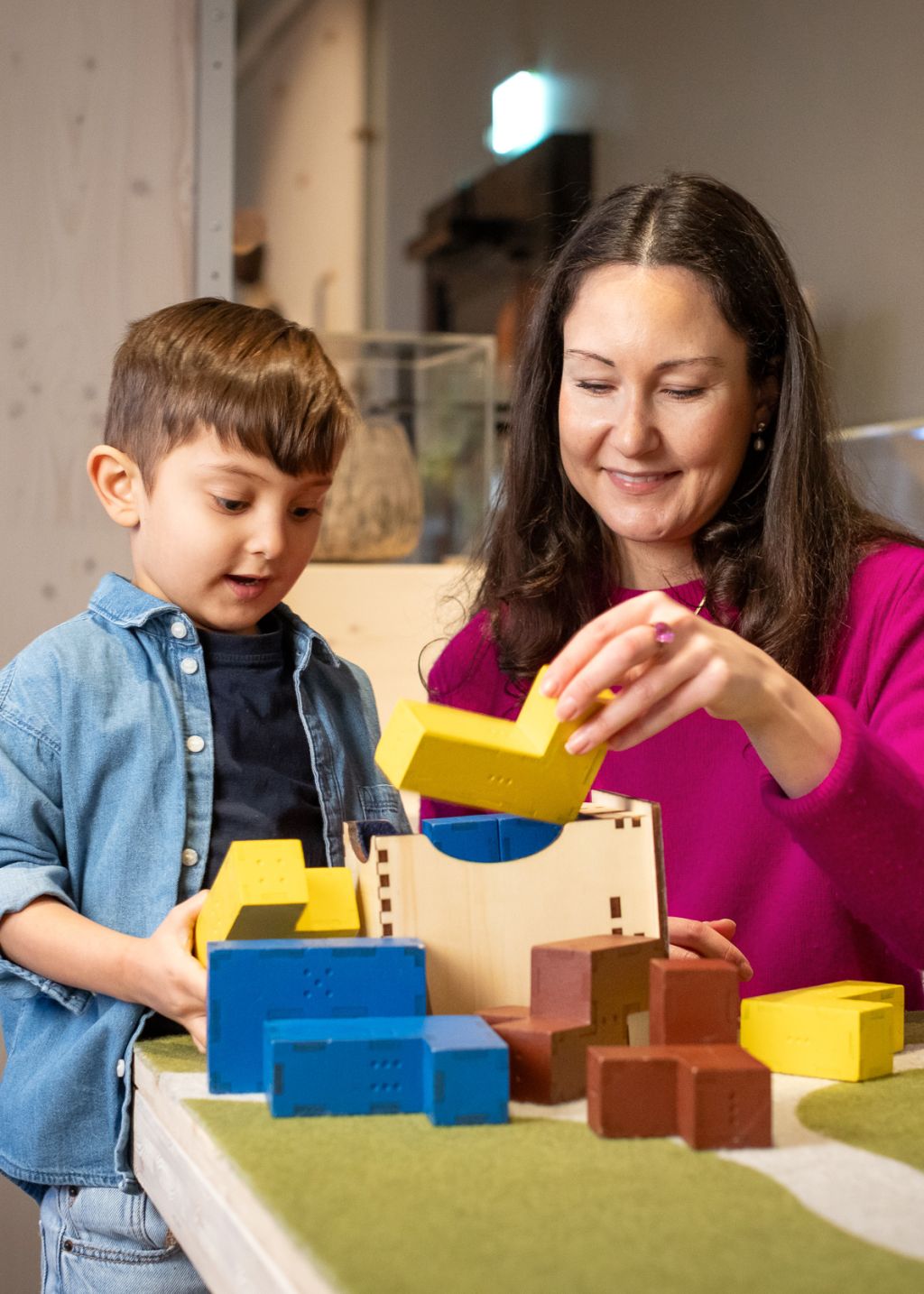
1. Visiting with Kids?
Did you know that all children and young people under 20 get free admission to the museum? This applies every day, all year round. The same applies to students upon presentation of a valid student ID.
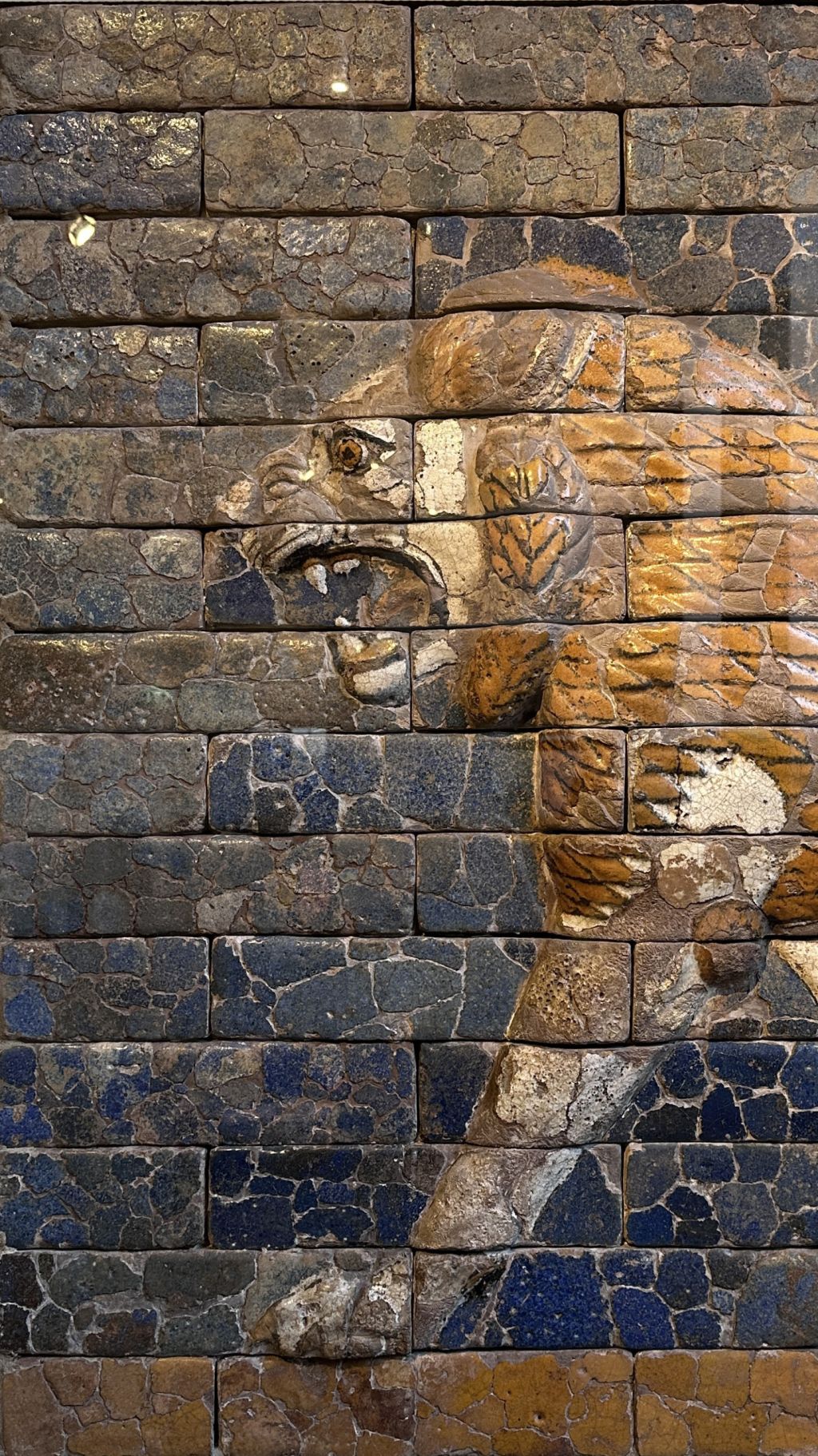
2. Unique Reliefs from Babylon
In the “Architecture Hall” on the ground floor of the Röhsska Museum, you’ll find two glazed brick reliefs depicting a lion and a dragon. They originate from the throne room of Nebuchadnezzar II. Nebuchadnezzar II (604–562 BC) was a prominent king of the Neo-Babylonian Empire. His palace, including the throne room, was decorated with glazed bricks and served as a centre of power in ancient Mesopotamia. These reliefs are unique among museums in Sweden.
3. Explore a World of Design
The exhibition Design Stories presents everyday objects, unique craft and fashion from the past 150 years. Spanning 800 square metres and five galleries, it includes everything from a complete modernist kitchen by Charlotte Perriand to fashion designer Vivienne Westwood’s wedding dress Chaos Point, the tapestry Ogift mor (“Unwed Mother”) by artist Hanna Ryggen, and embroideries by artist Britta Marakatt-Labba.
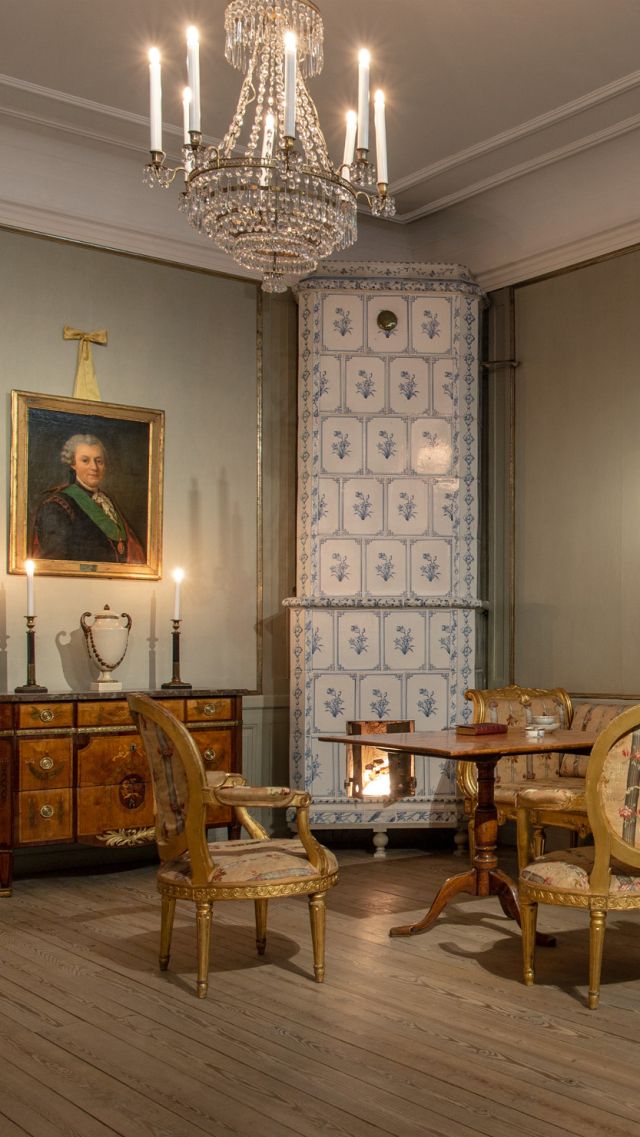
4. Step Into the 18th Century
From a half-open door, you hear classical music; through the windows, a view of Stockholm appears; candles flicker in candelabras. Step back in time to the beginnings of modern design history. In the exhibition 18th-Century Design & Craft, you can enter a drawing room furnished with interiors from the 1700s, originally from an apartment on Regeringsgatan in Stockholm.
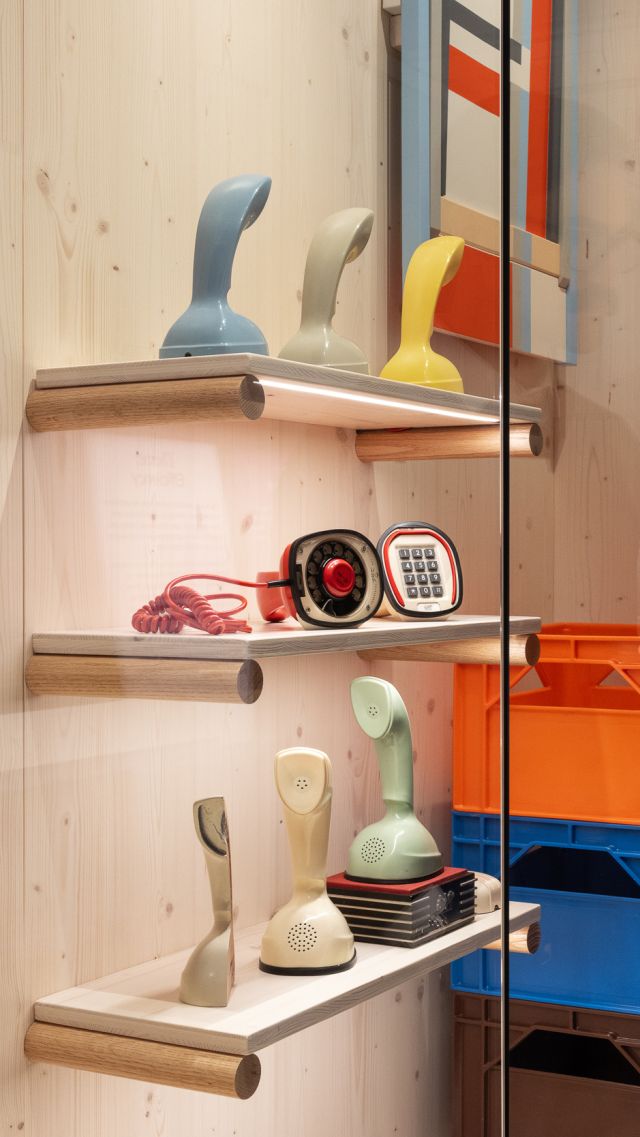
5. Meet the Ericofon
When Ericsson launched the Ericofon in the mid-1950s, it became the world’s first all-in-one telephone. Its design and ease of use made a strong impact, earning it the nickname “The Cobra”. Its range of colours also undoubtedly contributed to its popularity.
You can see several Ericofons in the exhibition Design Stories.
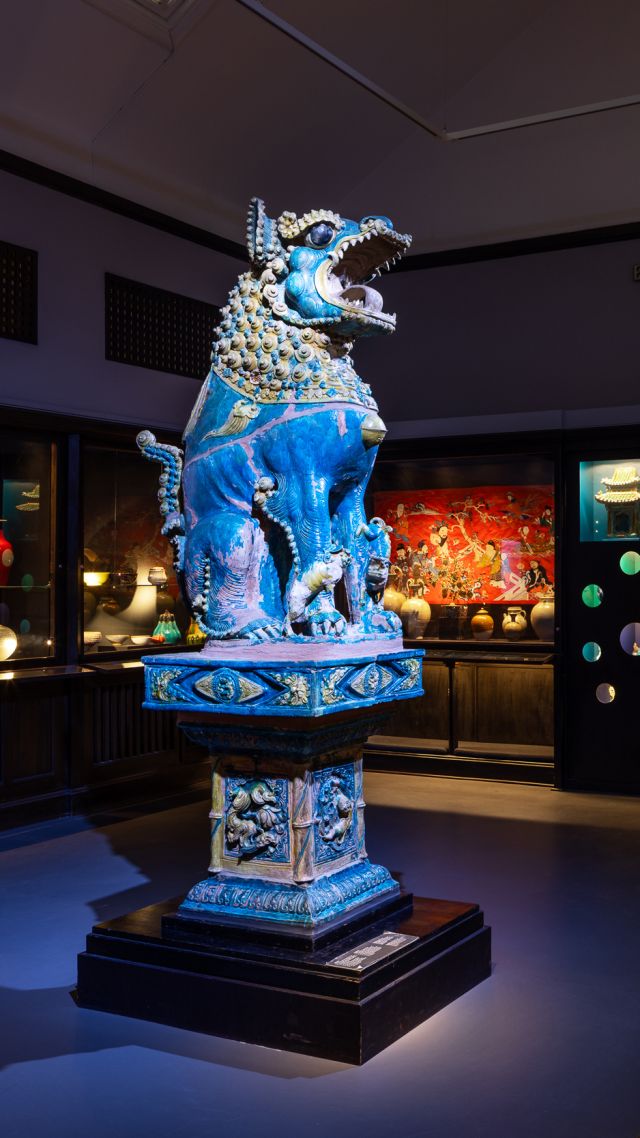
6. Zoom In, Zoom Out
Listen to calm, meditative descriptions of objects – their patterns, materials, properties and meanings. In the exhibition Inspiration East Asia, you can pause for a moment of reflection within one of Europe’s oldest museum collections, featuring objects dating back to 2500 BC. With the audio experience Museum Flow, you can get closer to the objects at three listening stations.
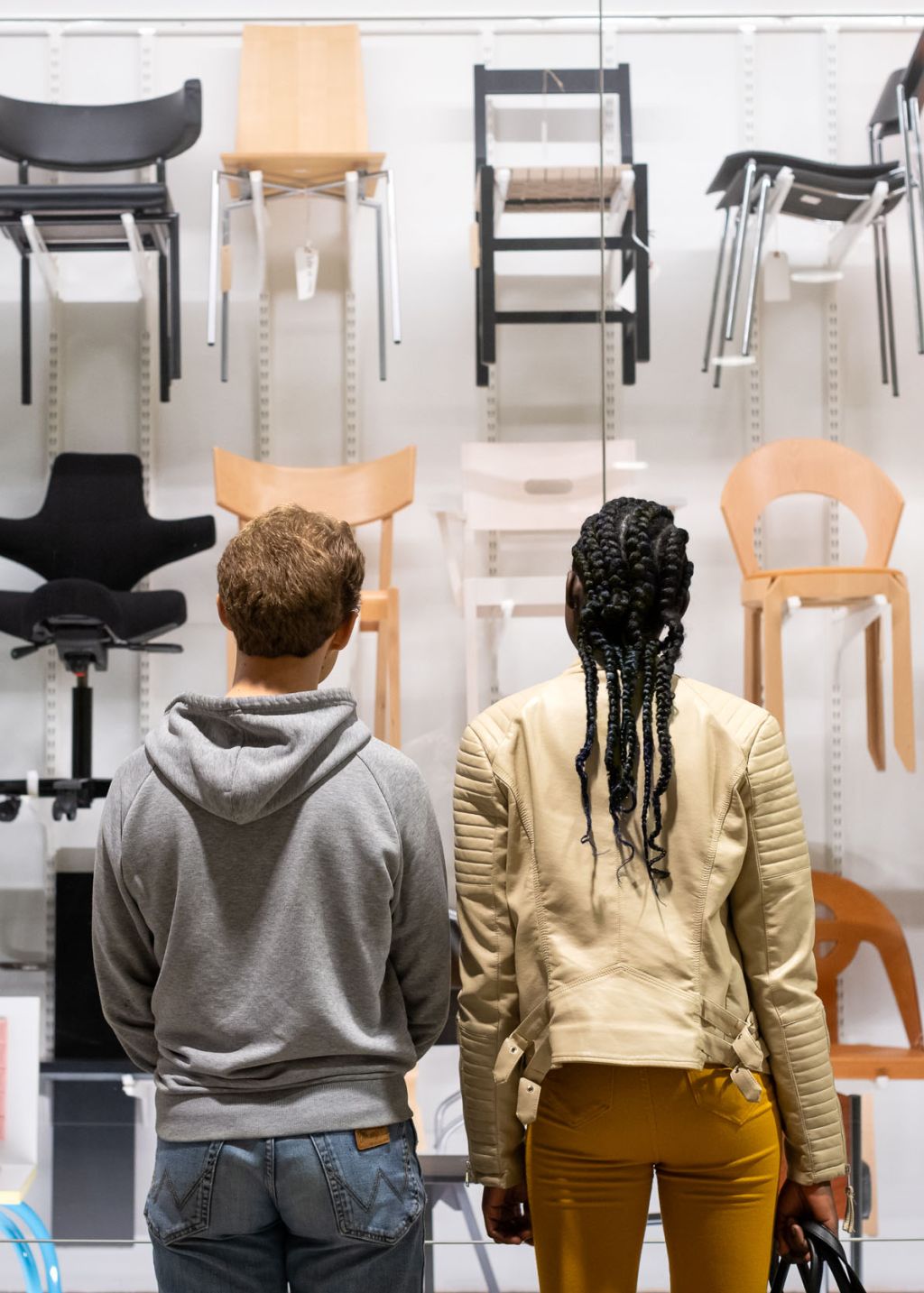
7. Chair Bonanza!
The museum’s collection includes more than 500 chairs, 145 of which are displayed in an open storage gallery. Here, you can follow the evolution of the chair over 400 years, from the 17th century to the present day — from chairs shaped by the ideals of the Baroque and Rococo periods to Art Nouveau and Functionalism, and onward to the great experimental spirit of the late 20th century, when imagination and playfulness were given free rein.
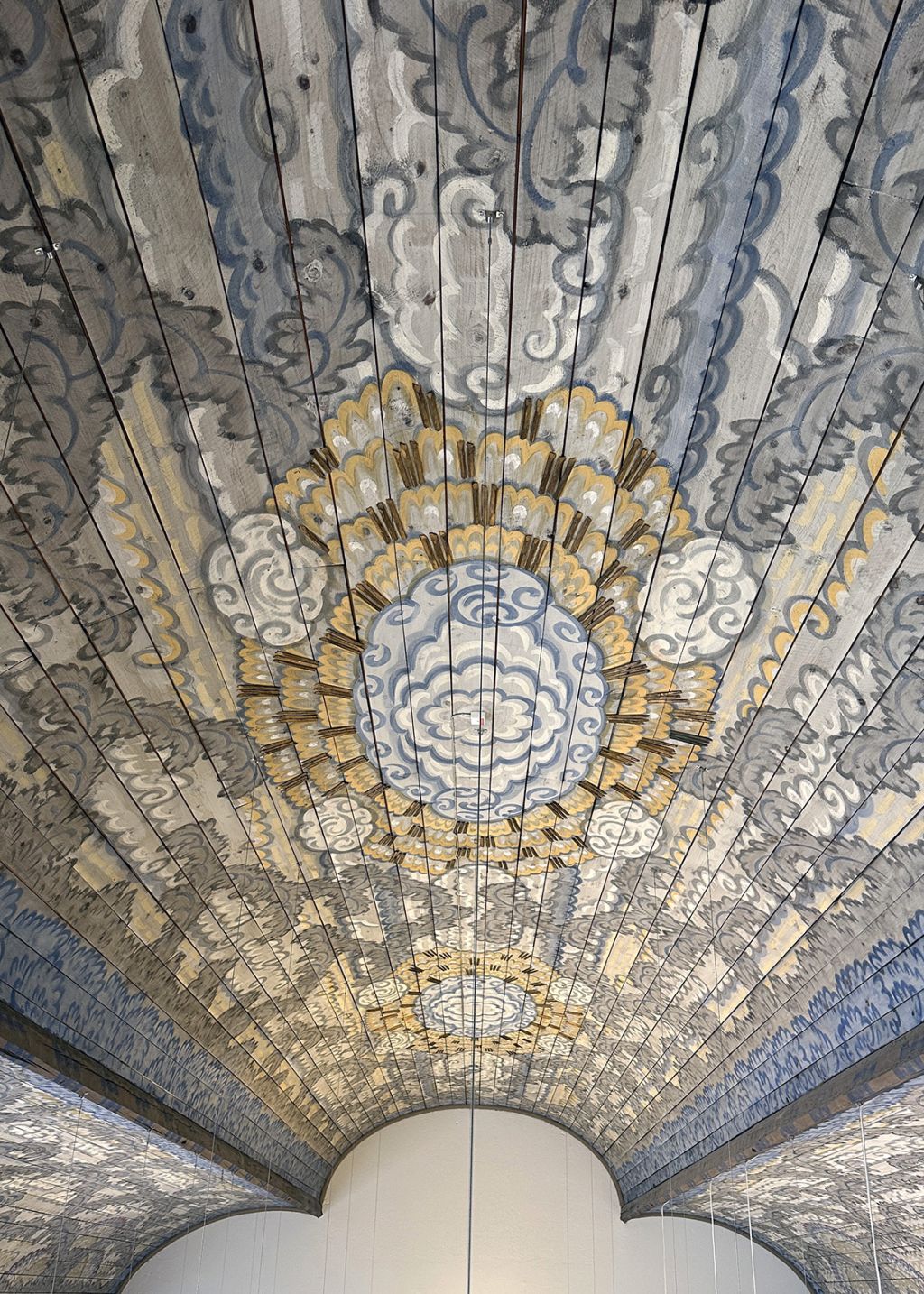
8. Look Up!
After admiring the 2,500-year-old glazed brick reliefs from ancient Mesopotamia in the Architecture Hall, don’t forget to look up. The vaulted wooden ceiling is inspired by medieval church ceilings and was hand-painted by decorative painter Brocke Blückert together with scenographer and decorative painter Olle Nordmark when the museum opened in 1916.
9. More Is More
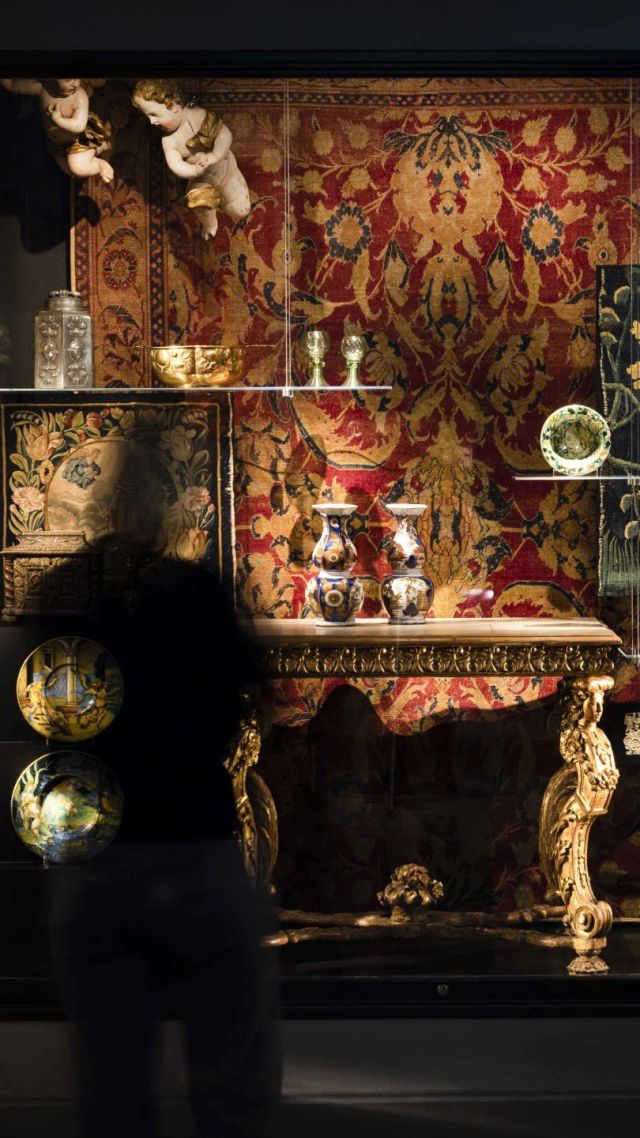
Striking contrasts, flowing forms and rich ornamentation – often in gold. During the Baroque period, the ideal was not restraint but opulence: “more is more”. Interiors were designed to impress, evoke emotion and display power through drama and abundance. The period room in the exhibition The Baroque Chamber transports you to a time when every detail was carefully staged to captivate the eye and heighten the room’s dramatic expression.
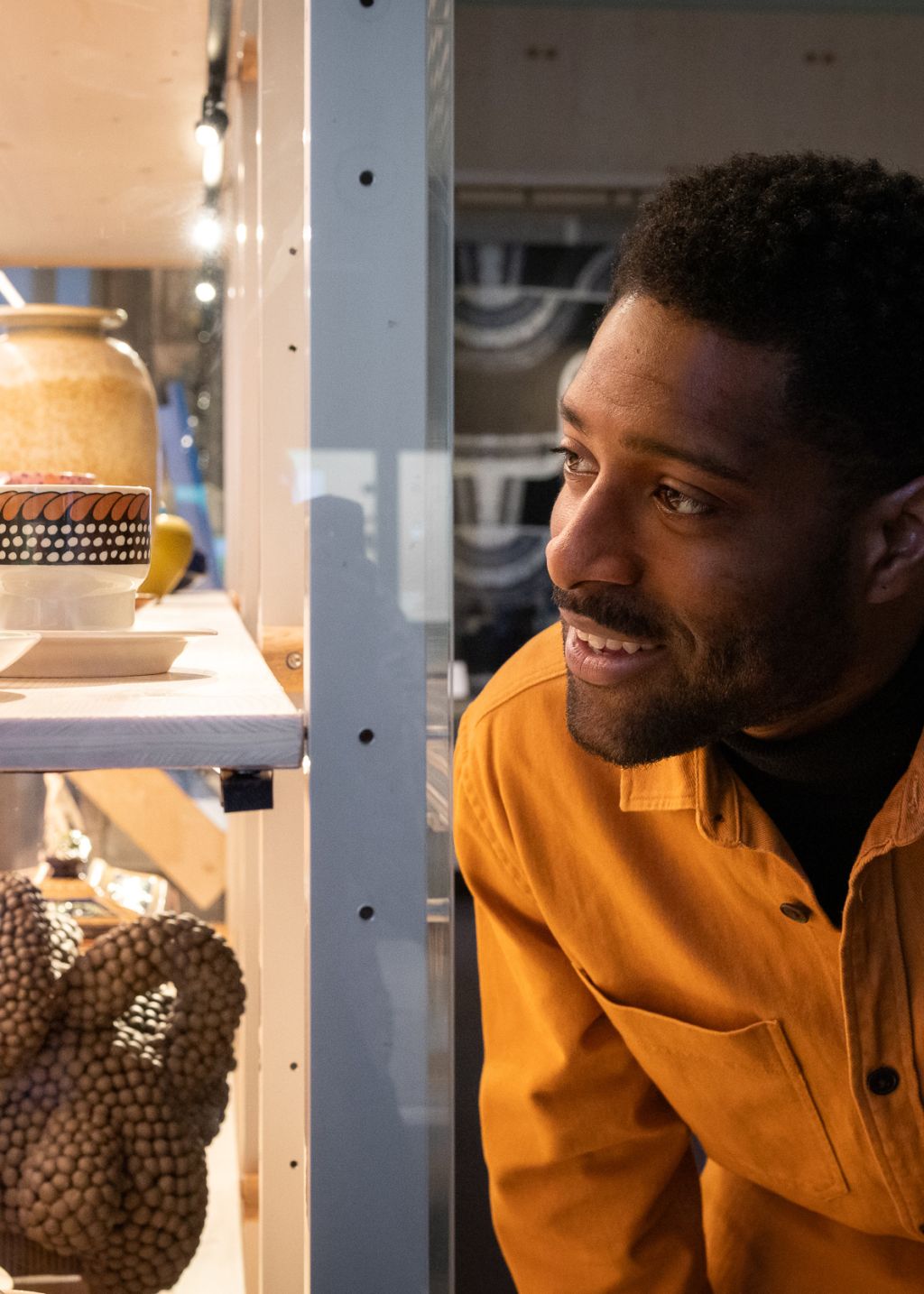
10. Focus on Ceramics
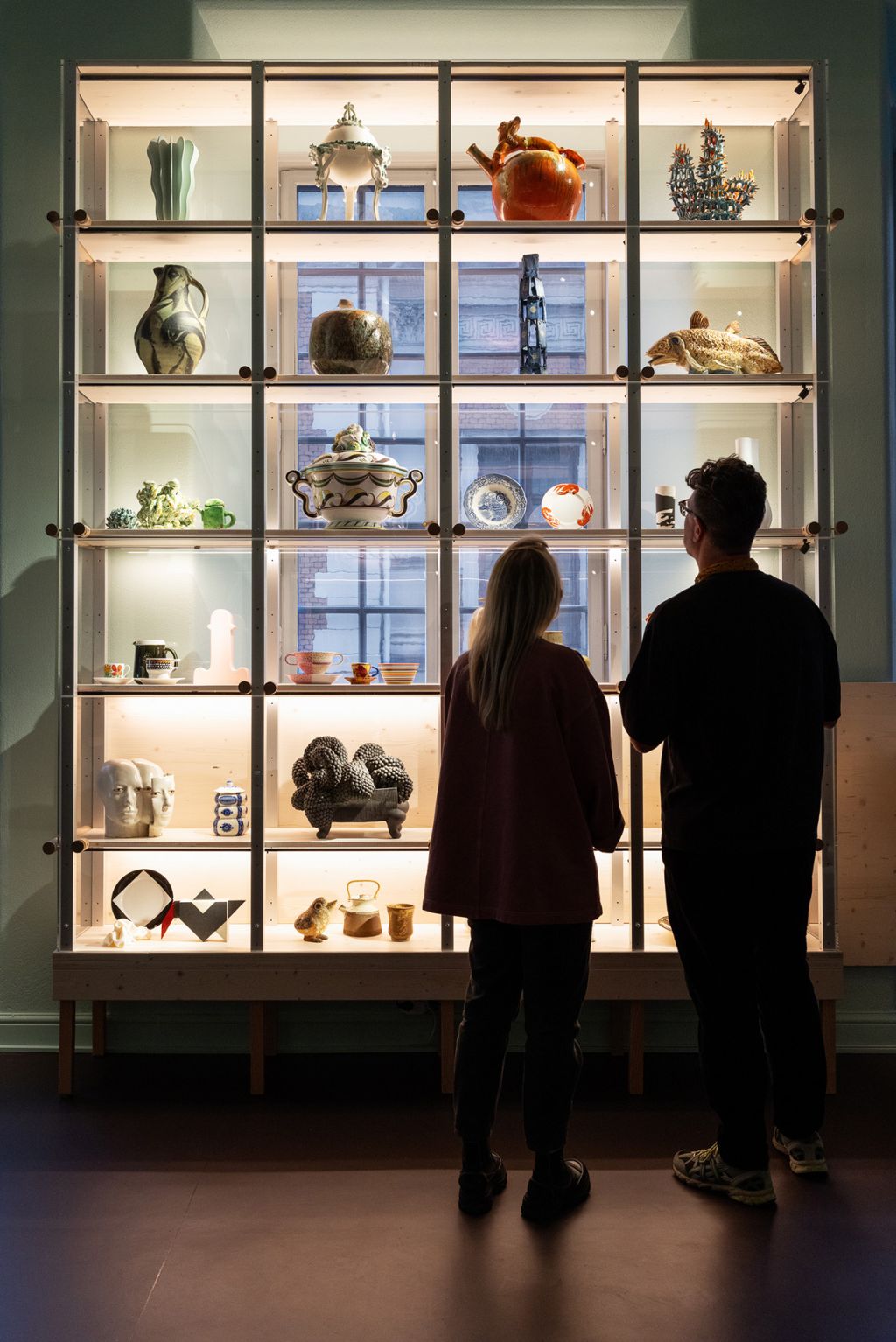
In the exhibition Design Stories, we have filled a tall display case with ceramics from the museum’s collection. Here, unique works of art and craft are displayed alongside pieces from classic tableware sets. On a digital screen next to the display case, you can zoom in on a particular object and learn more about its history and creation. The exhibition features several similar display cases, showcasing jewellery, glass and furniture.
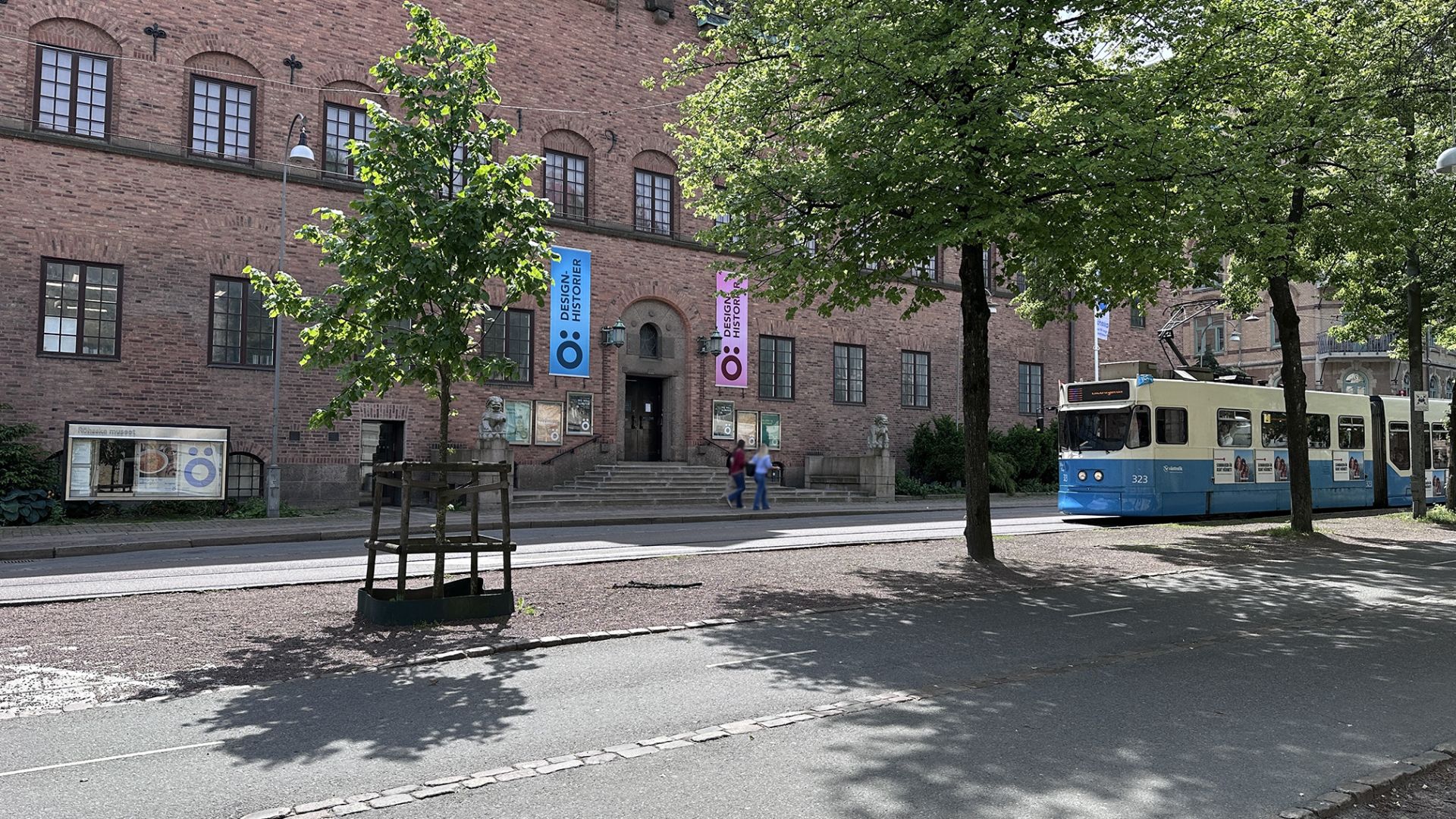
Plan Your Visit!
Follow the link to learn more about admissions and our opening hours.
Photo: Kristin Lidell, Carl Ander, Ina Marie Winther Åshaug, Röhsska museet