20 October 2026
We met artist and filmmaker Ilona Sagar and talked about her encounter with the iconic Paimio Sanatorium and why the idea of “care” became so central to the making of her new film work, Other Actors.
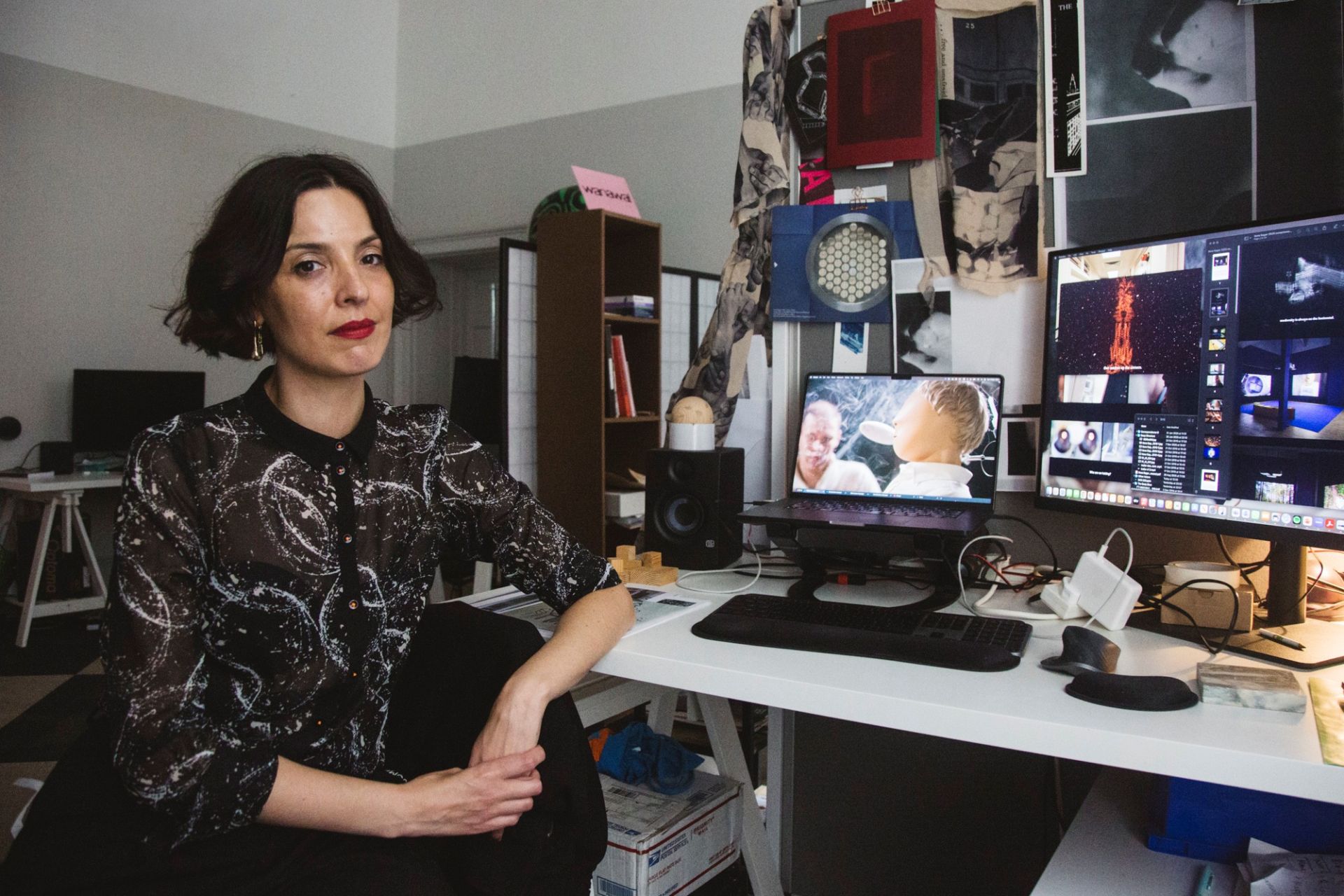
Ilona Sagar in her studio in London, photo: Paulina Figueroa and Somerset House.
What first drew you to Paimio Sanatorium, and what made you want to explore the building?
– I’ve known about Paimio Sanatorium for some time as an iconic example of modernism and, in many ways, as a kind of birthplace of the modern hospital. I was invited to do a residency with the Saastamoinen Foundation in Finland, and while I was there, I knew I wanted to visit Paimio. I had imagined it would be a kind of museum or monument, frozen in time. But when I arrived, I was really struck by the fact that it was anything but that. It was still a building in flux, working out what it wanted to become. That state of flux was what made me want to work with the building and really understand its histories.
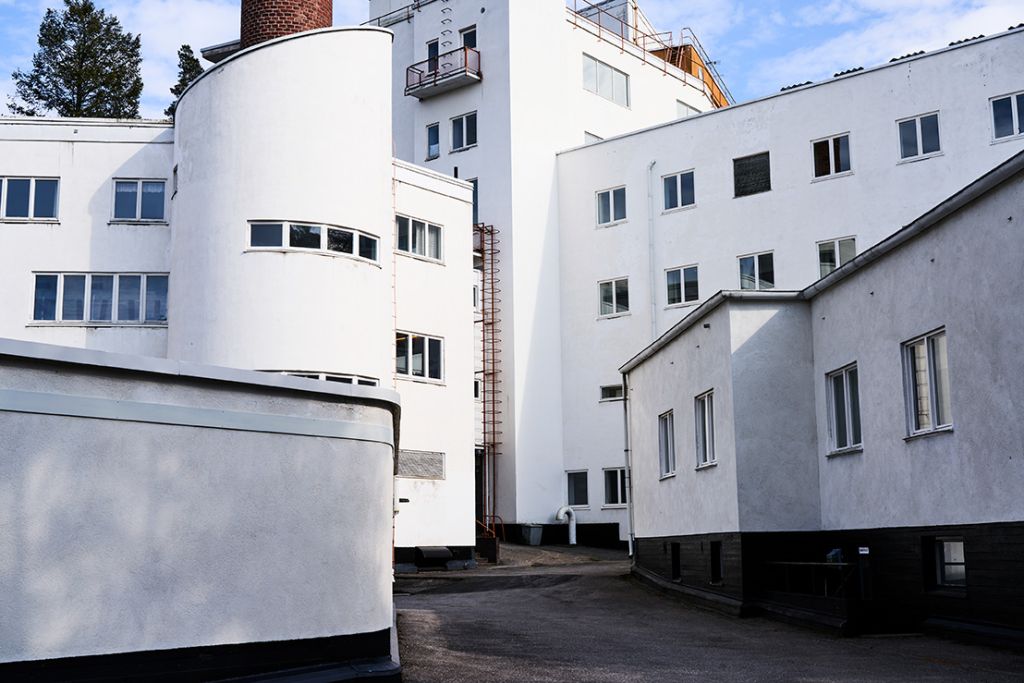
Paimio Sanatorium, photo: Ola Kolehmainen, © Paimio Sanatorium Foundation.
What did you discover through your research and conversations with people who lived and worked there, that is missing from the more familiar histories of the Aaltos and Paimio Sanatorium?
– Paimio Sanatorium is such a well-known and extensively documented building that it felt important to approach the site differently and look beyond the established histories. I spent quite a lot of time with the maintenance team, as well as nurses and doctors who had worked there. Their experiences opened up other ways of understanding the building, through its everyday life, its deterioration and its ongoing maintenance.
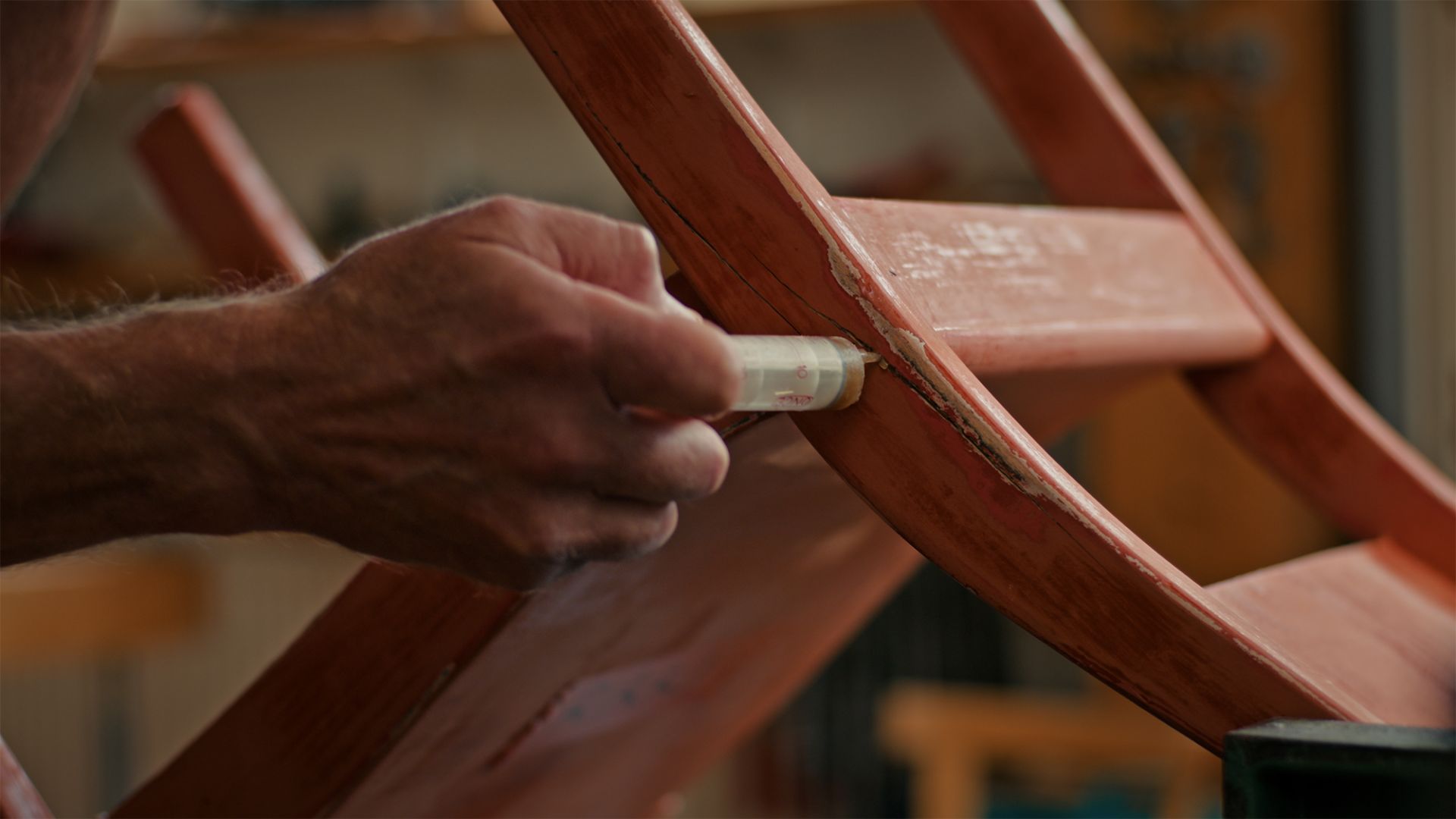
From the work Other Actors, Ilona Sagar.
– An idea that became increasingly important to the project was this question of care and maintenance. Not just of the building, but also of histories, institutions and ideas. We maintain bodies, we maintain buildings, but we also maintain ideas. What we choose to keep and what we choose to discard is never neutral. It has a politics to it. The building itself seemed to be working through those questions. What should be conserved? What should be preserved? What aspects of its history should remain visible? And what might be considered unimportant?
What became increasingly clear to me through the project was that questions of visibility and marginalisation are at the heart of our relationship to Paimio. Who gets to be visible and whose bodies remain unseen or are pushed to the margins? Those questions connect the history of Paimio to the politics of health today, and make the building less a monument to a past era than a site through which we can think about the present.
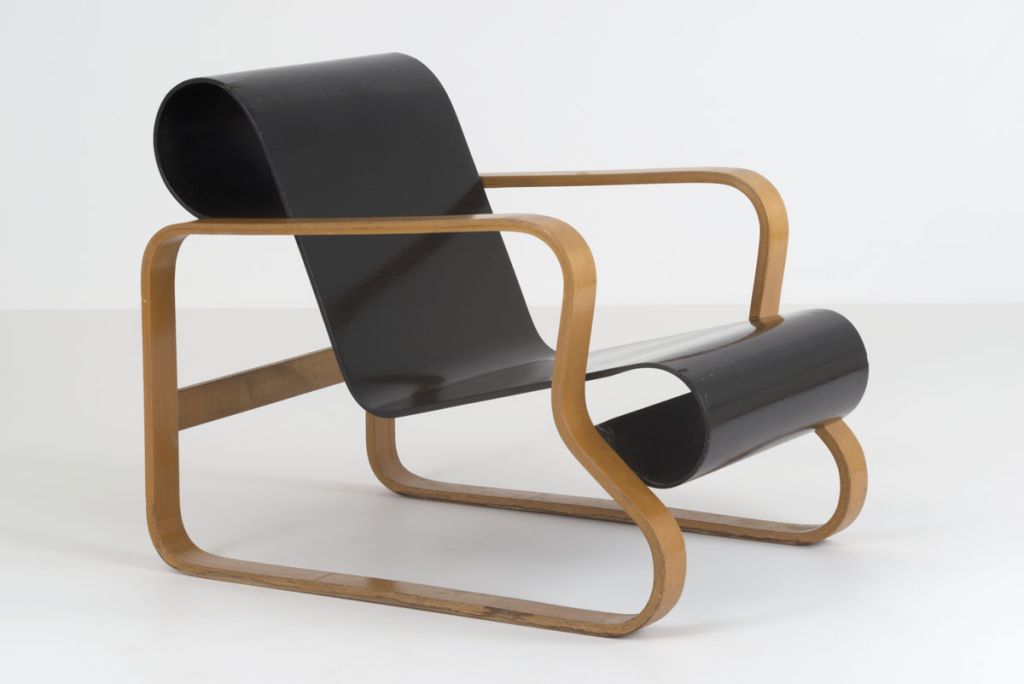
Among the pieces of furniture specially designed for the sanatorium were functionalist chairs, including reclining armchairs designed to make it easier for patients to breathe. The Paimio Chair has since become iconic and is still in production. Copyright: Alvar Aalto Museum.
What do you hope visitors will see or understand differently about Paimio Sanatorium after encountering Other Actors and the exhibition at Röhsska?
– Many of the design ideas that emerged from Paimio Sanatorium are still deeply relevant. The Aaltos pioneered a humane approach to design that remains incredibly important to think through today. But at the same time, the chairs, furniture, iconic lamps and other furnishings have become part of a kind of mid-century obsession, often divorced from their original intentions and politics.
I hope the exhibition allows for a different reading of these histories one that brings some of their radicality back into view. These objects remain significant, not simply as design icons, but as ways of reading history. The question is how we read those histories against the instability of our present moment, and what they might still have to tell us about how we design, care for and organise the world today.
The exhibition is on view at Röhsska Museum from 7 November 2026 to 5 June 2027.
The opening runs from 13:00–15:00 and will be held in English. Refreshments and mingling will follow. The exhibition is open from 11:00–17:00.
The exhibition is supported by Kulturfonden för Sverige och Finland.
The exhibition is designed by Adrien Rovero.