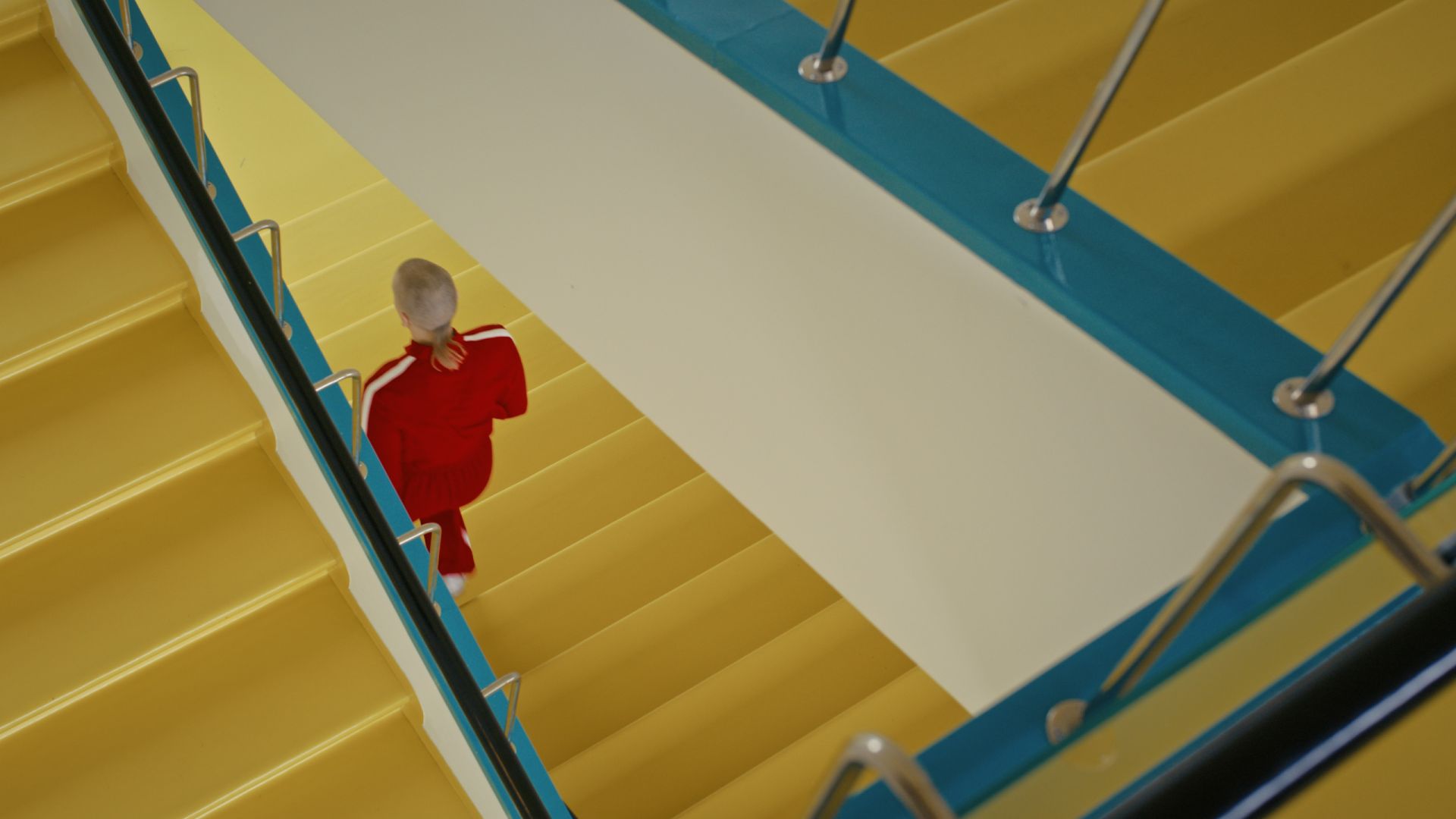
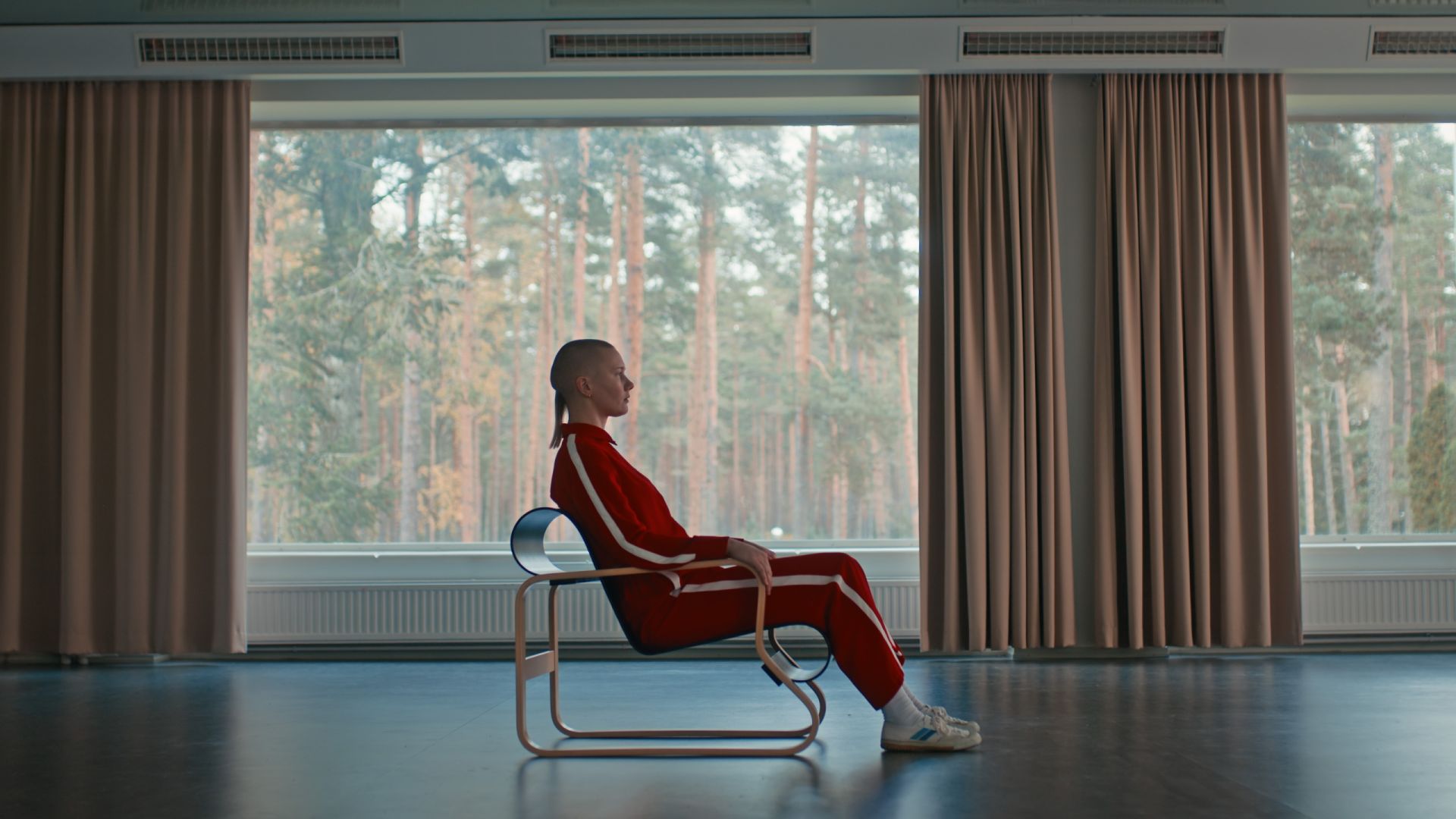
Step into the sanatorium’s colour palette and experience its iconic colour combinations. On the custom-built, reclining sofa, you can sit back and experience Aino Marsio-Aalto and Alvar Aalto’s idea of the horizontal body.
Through accounts from doctors, nurses, and maintenance staff, multiple perspectives on Paimio Sanatorium emerge in Ilona Sagar’s work Other Actors. Together with some twenty design objects and archival material from the sanatorium, the exhibition offers a deeper insight into one of the Nordic region’s most acclaimed modernist buildings.
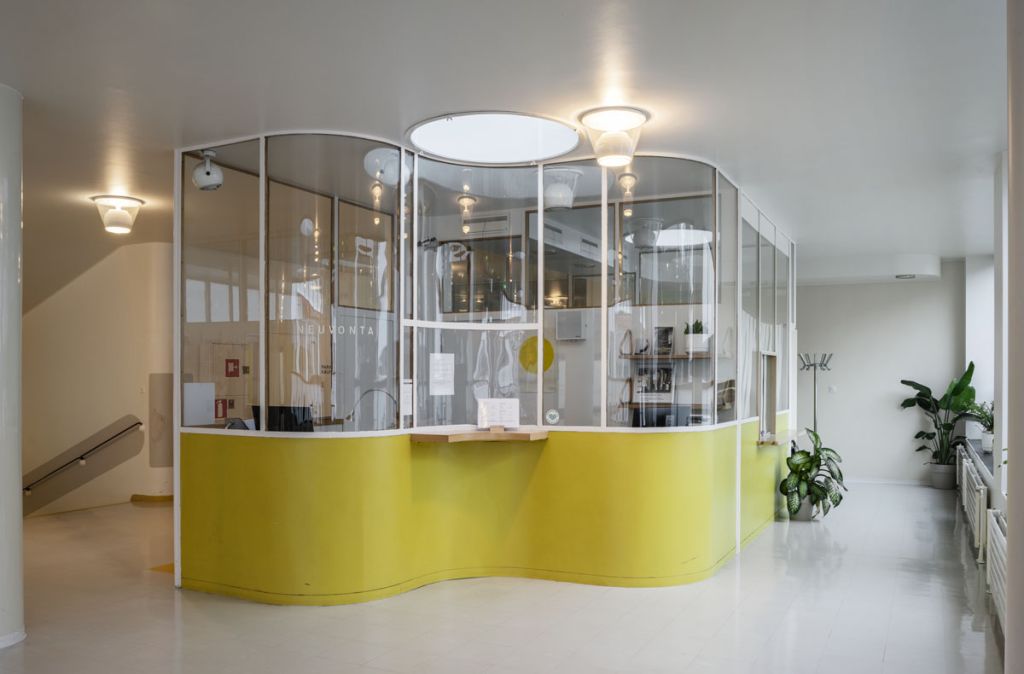
A groundbreaking idea in the design of the sanatorium was to adapt its rooms for patients who spent long periods in bed. The Aaltos conceived the building as a “medical instrument”, designed around the needs of the reclining body rather than the standing one. Here, a more humane and softer form of modernism emerges, in which light, ventilation, and heating were shaped with the body in its most vulnerable state in mind. The sanatorium also became known for its distinctive palette of green, blue, red, orange, and yellow.
Omsorg is a Swedish word for care, but also concern, expressing a form of attentive, holistic care historically embedded in civic structures that shapes both people and the spaces they inhabit. This ethic of care lies at the heart of the exhibition Ilona Sagar: Omsorgens arkitektur.
Ilona Sagar
A Sanatorium in Transition
In Other Actors the renowned building is explored as a space in transition, its history shaped by changing functions, adaptations, and narratives that together form layers of time. Today, the building is being renovated for a new public purpose. Several of the Aaltos’ buildings in Finland were recently inscribed on the UNESCO World Heritage List, including Paimio Sanatorium.
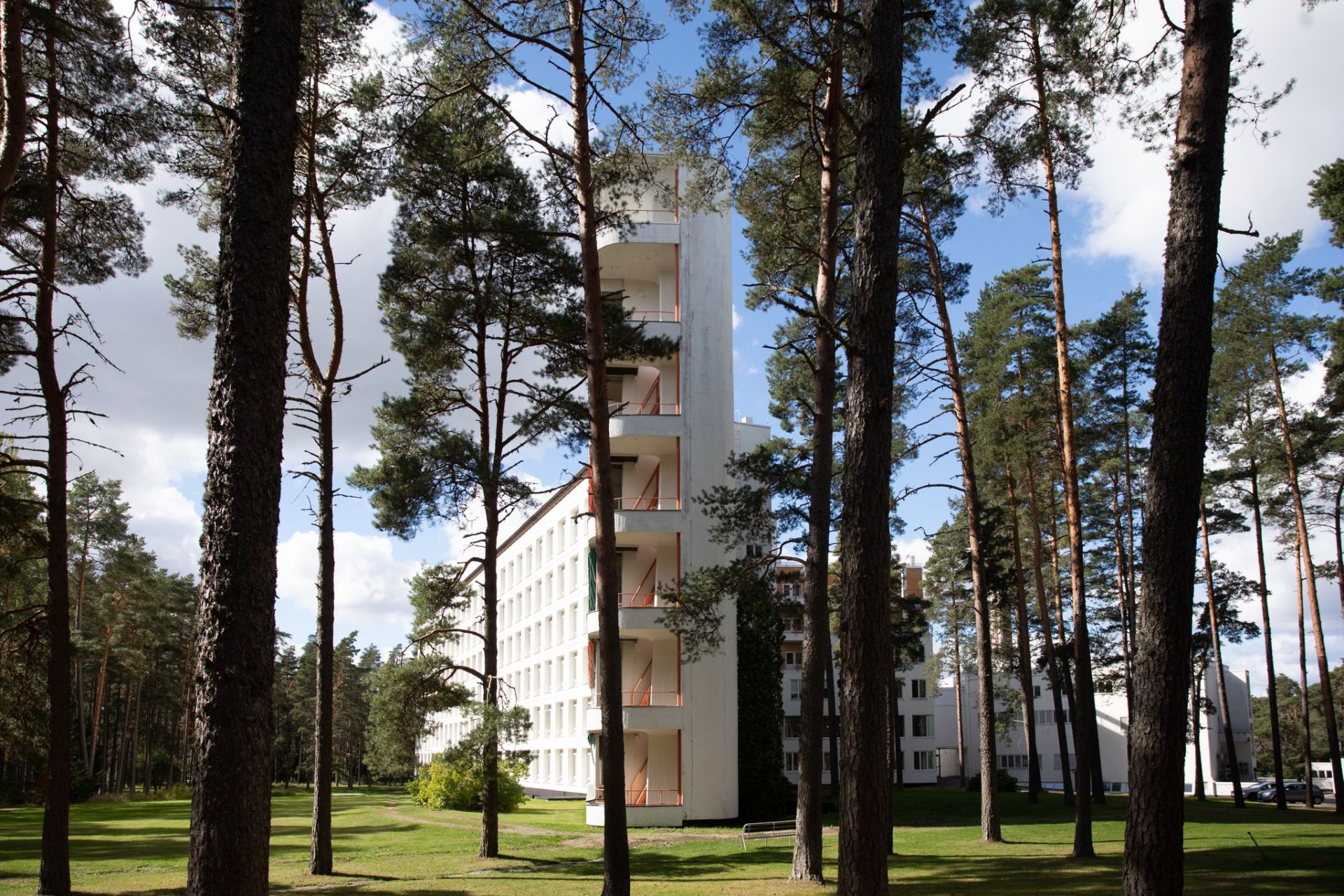
Copyright: Paimio Sanatorium.
Screenings during the exhibition
Other Actors is a 60-minute film screened continuously throughout the day. The first screening begins at 11.30 am and is followed by hourly screenings. The final screening ends 30 minutes before the museum closes.
The exhibition is on view at Röhsska Museum from 7 November 2026 to 5 June 2027.